
Participation Guidelines 2026
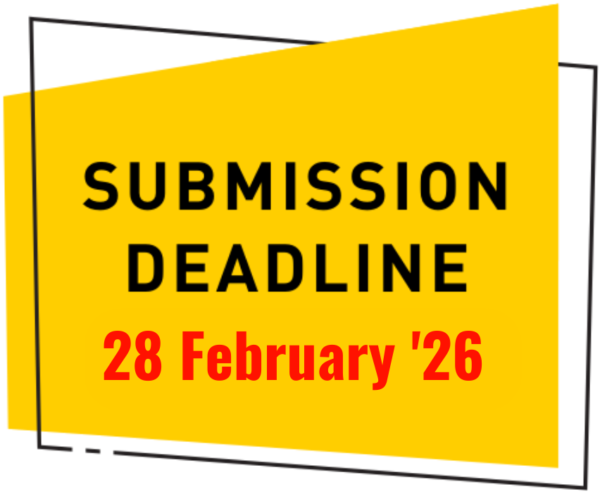
Entries need to be submitted online before the closing date: Saturday 28 February 2026 (midnight). Submission is free. All shortlisted finalists will be notified in April 2026 and will be invited to take part in the Awards Ceremony taking place during the 15th Media and Learning Conference, 18-19 June 2026 in Leuven, Belgium where the final winners will be announced.
The MEDEA Awards
- The MEDEA Award for Best Educational Media entry. This award will be awarded to the best educational media, resource, tool or service produced in all sectors and at all levels of education and training.
- The Special MEDEA Jury Prize. The judges may, at their discretion, present a special award to an approach or production in recognition of exceptional innovation in pedagogic or technical design.
- The Audience Favourite Prize. During the Awards Ceremony, the audience has the possibility to elect its favourite entry.
- Thematic Prize – Best Use of Educational Media in Science. This year, the thematic prize will honour innovative applications of Best Educational Media in Science, spotlighting innovative trends in the field. This prize will be co-awarded with the International Association of Media in Science (IAMS).